

And How You Can Become Comfortable Speaking Out Loud With AI** Most learners I meet don’t speak to AI at all. They chat by typing… but they never use their voice. And I understand why. Speaking to a machine feels strange. Speaking to a human feels scary. So people end up speaking to no one. But if you understand the psychology behind these two experiences, you will see why AI is the easiest and safest place to practise oral English — even safer than speaking to a human. Let’s break it down, Confluent style. 1. Speaking to Humans Activates Fear When you speak to a real person — even your friend — your brain becomes alert. You worry about: how you will sound how they will react whether they will judge your English whether you will pause or forget a word whether they will misunderstand you Your body tightens. Your mind speeds up. Your sentences break. This fear is not about English. It is about being seen. Humans fear other humans’ opinions. This is why speaking to people feels heavy. 2. Speaking to AI Feels Strange — But Not Scary Now let’s talk honestly. Most people don’t speak to AI because: “It feels weird.” “How can I talk to a machine?” “What if it doesn’t understand my accent?” “Why does it reply so perfectly?” But here is the truth: You feel strange because it’s new, not because it’s wrong. The moment you break that first barrier and speak one or two sentences aloud, the “strangeness” disappears. You realise something powerful: AI listens without reacting. AI doesn’t judge. AI waits. AI encourages. AI never gets irritated. You discover a new kind of freedom — the freedom to practise without fear. 3. Why Your Mind Behaves Differently With a Machine The human brain is designed to protect you from embarrassment. Humans = possible judgment Machine = no judgment So your psychology is simple: With humans → you become careful With AI → you can become playful But the real magic is this: AI gives you a safe practice ground so you can later speak to humans confidently. It is your rehearsal room. Your gym. Your safe shoreline before you enter the ocean. 4. Why Speaking Out Loud to AI Is the Game-Changer Typing does not build speaking confidence. Watching videos does not train your voice. Understanding English does not create fluency. Speaking builds speaking. And AI is the only tool in the world that lets you: practise anytime speak without fear make mistakes safely get instant responses build daily rhythm When you practise speaking with AI, your mouth learns the flow. Your mind stops freezing. Your voice becomes warm. Your sentences start moving. This is how fluency is born. 5. The First 30 Seconds Feel Awkward — Then It Clicks This is what every learner tells me after their first voice practice: “Zia, the first few seconds felt weird… but after that, I started talking naturally.” Because the awkwardness is not from AI. It is from your own hesitation. Once you cross that tiny barrier, you experience something beautiful: You can speak English without pressure. This is the moment your real fluency journey begins. 6. Here Is the Confluent Method to Start Speaking With AI (Without Feeling Weird) Step 1: Start With a Simple Greeting (5 seconds) Say out loud: “Hi, I want to practise spoken English with you.” This is your warm-up. No pressure to speak more. Step 2: Ask AI to Talk to You Slowly (10 seconds) Say: “Speak to me like a friendly partner. Ask me simple questions one by one.” Suddenly the machine becomes human-like… but safer. Step 3: Give One-Line Answers (20 seconds) Don’t try to speak long. Just one simple line: “My day is good.” “I am feeling relaxed.” “I finished my college work.” Short answers break the fear. Step 4: Allow Silence (No pressure) AI doesn’t get awkward. AI doesn’t judge pauses. This teaches you to take your time. Step 5: Increase to 1–2 Minutes Over a Week Day 1: 10 seconds Day 3: 30 seconds Day 7: 1 minute Day 14: 2 minutes Now you have a real speaking habit. 7. What Happens After 15 Days of AI Speaking Practice Your hesitation drops. Your tongue becomes flexible. Your mind becomes fast. Your thoughts become clear. Your confidence begins to rise. And suddenly, speaking to humans becomes easier — not because they changed, but because you changed. AI becomes your private training room. Humans become your real-life field. 8. The Goal Is Simple You don’t have to speak perfectly. You don’t have to impress anyone. You don’t have to be a native speaker. You just have to become comfortable using your voice. AI helps you do that quietly, safely, daily. So the next time you see the mic button… tap it. Don’t wait for perfect English. Don’t wait for confidence. Don’t wait for the fear to disappear. Tap the mic. Speak a little. Let AI reply. Let your voice come alive. This is how fluency begins — not with studying, but with speaking. One small conversation at a time. — Zia Founder, Confluent Speaker Mission Helping India speak fearlessly and fluently using AI.

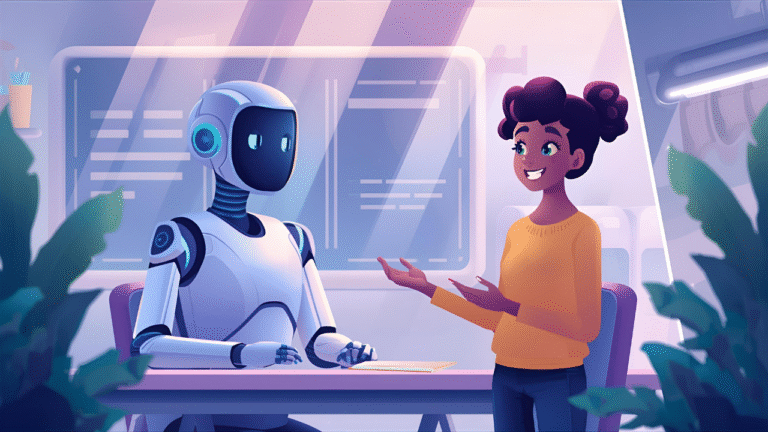
The Psychology of Speaking to a Machine vs Speaking to a Human

And How You Can Become Comfortable Speaking Out Loud With AI**

Most learners I meet don’t speak to AI at all.
They chat by typing… but they never use their voice.

And I understand why.

Speaking to a machine feels strange.
Speaking to a human feels scary.
So people end up speaking to no one.

But if you understand the psychology behind these two experiences,
you will see why AI is the easiest and safest place to practise oral English — even safer than speaking to a human.

Let’s break it down, Confluent style.


1. Speaking to Humans Activates Fear

When you speak to a real person — even your friend — your brain becomes alert.

You worry about:

  • how you will sound
  • how they will react
  • whether they will judge your English
  • whether you will pause or forget a word
  • whether they will misunderstand you

Your body tightens.
Your mind speeds up.
Your sentences break.

This fear is not about English.
It is about being seen.

Humans fear other humans’ opinions.

This is why speaking to people feels heavy.


2. Speaking to AI Feels Strange — But Not Scary

Now let’s talk honestly.

Most people don’t speak to AI because:

  • “It feels weird.”
  • “How can I talk to a machine?”
  • “What if it doesn’t understand my accent?”
  • “Why does it reply so perfectly?”

But here is the truth:

You feel strange because it’s new, not because it’s wrong.

The moment you break that first barrier and speak one or two sentences aloud, the “strangeness” disappears.
You realise something powerful:

AI listens without reacting.
AI doesn’t judge.
AI waits.
AI encourages.
AI never gets irritated.

You discover a new kind of freedom —
the freedom to practise without fear.


3. Why Your Mind Behaves Differently With a Machine

The human brain is designed to protect you from embarrassment.

Humans = possible judgment
Machine = no judgment

So your psychology is simple:

With humans → you become careful
With AI → you can become playful

But the real magic is this:

AI gives you a safe practice ground so you can later speak to humans confidently.

It is your rehearsal room.
Your gym.
Your safe shoreline before you enter the ocean.


4. Why Speaking Out Loud to AI Is the Game-Changer

Typing does not build speaking confidence.
Watching videos does not train your voice.
Understanding English does not create fluency.

Speaking builds speaking.

And AI is the only tool in the world that lets you:

  • practise anytime
  • speak without fear
  • make mistakes safely
  • get instant responses
  • build daily rhythm

When you practise speaking with AI, your mouth learns the flow.
Your mind stops freezing.
Your voice becomes warm.
Your sentences start moving.

This is how fluency is born.


5. The First 30 Seconds Feel Awkward — Then It Clicks

This is what every learner tells me after their first voice practice:

“Zia, the first few seconds felt weird…
but after that, I started talking naturally.”

Because the awkwardness is not from AI.
It is from your own hesitation.

Once you cross that tiny barrier, you experience something beautiful:
You can speak English without pressure.

This is the moment your real fluency journey begins.


6. Here Is the Confluent Method to Start Speaking With AI (Without Feeling Weird)

Step 1: Start With a Simple Greeting (5 seconds)

Say out loud:

“Hi, I want to practise spoken English with you.”

This is your warm-up.
No pressure to speak more.


Step 2: Ask AI to Talk to You Slowly (10 seconds)

Say:

“Speak to me like a friendly partner. Ask me simple questions one by one.”

Suddenly the machine becomes human-like… but safer.


Step 3: Give One-Line Answers (20 seconds)

Don’t try to speak long.
Just one simple line:

  • “My day is good.”
  • “I am feeling relaxed.”
  • “I finished my college work.”

Short answers break the fear.


Step 4: Allow Silence (No pressure)

AI doesn’t get awkward.
AI doesn’t judge pauses.

This teaches you to take your time.


Step 5: Increase to 1–2 Minutes Over a Week

Day 1: 10 seconds
Day 3: 30 seconds
Day 7: 1 minute
Day 14: 2 minutes

Now you have a real speaking habit.


7. What Happens After 15 Days of AI Speaking Practice

Your hesitation drops.
Your tongue becomes flexible.
Your mind becomes fast.
Your thoughts become clear.
Your confidence begins to rise.

And suddenly, speaking to humans becomes easier —
not because they changed,
but because you changed.

AI becomes your private training room.
Humans become your real-life field.


8. The Goal Is Simple

You don’t have to speak perfectly.
You don’t have to impress anyone.
You don’t have to be a native speaker.

You just have to become comfortable using your voice.

AI helps you do that quietly, safely, daily.


So the next time you see the mic button… tap it.

Don’t wait for perfect English.
Don’t wait for confidence.
Don’t wait for the fear to disappear.

Tap the mic.
Speak a little.
Let AI reply.
Let your voice come alive.

This is how fluency begins —
not with studying,
but with speaking.

One small conversation at a time.

Zia
Founder, Confluent Speaker Mission
Helping India speak fearlessly and fluently using AI.
Similar Posts

Leave a Reply

Your email address will not be published. Required fields are marked *